


Principal UX & AI Systems Design
Designing in the Age of AI
I don't just follow AI trends — I shape how enterprises harness them. From intelligent IoT platforms to AI-augmented design workflows, here's where strategy meets execution.
Products Designed
AI & Intelligent Systems
CBRE · SmartFM
IoT-Driven Intelligent Facility Management
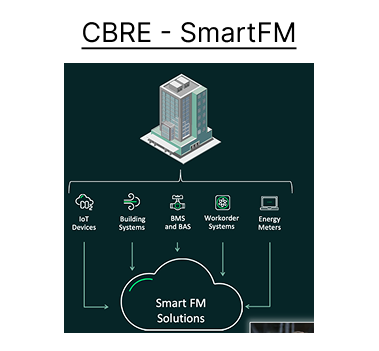
Designed the UX for a real-time IoT intelligence platform that converts live sensor data
into proactive maintenance decisions — giving facility managers actionable foresight
instead of reactive firefighting.
Projected 10% reduction in maintenance costs
Walmart · Me@Walmart
AI/ML-Powered Associate Experience
Designed an AI/ML-driven platform that surfaces meaningful career, HR, and operational
insights for 1M+ associates — unifying Workday, ServiceNow, and DocuSign
into a single intelligent surface.
Improved associate retention & productivity
7-Eleven · Merchant Portal
Intelligent Health-Monitoring at Scale
Designing intelligent operational health-monitoring for a supply chain and logistics network spanning 7,000+ merchant locations — real-time visibility, proactive alerts, and operator-facing dashboards built for scale
Supply Chain Operations · 7,000+ Locations
My Workflow
AI Design Toolkit
I don't just design AI products — I use AI to design better and faster. These tools are embedded in my daily practice, from early-stage research to high-fidelity prototyping.
⬡
Figma & Figma Make
AI-assisted component generation, rapid prototyping, and design system governance at enterprise scale.
✦
Google Gemini
Research synthesis, UX copy generation, and rapid competitive landscape analysis during discovery sprints.
◈
ChatGPT
Ideation acceleration, persona development, and design critique — a thought partner throughout the design process.
◎
Google NotebookLM
Distilling large volumes of user research, stakeholder notes, and competitive documents into actionable UX insights.
⬙
Midjourney
Visual concept exploration and moodboarding — aligning stakeholders on design direction before committing to Figma.
I've used these tools to cut research-to-prototype timelines in half — running AI-assisted discovery sprints, generating and stress-testing personas, and prototyping multimodal interfaces before writing a single design spec
Design That Delivers
Impact & Outcomes
Great design isn't just beautiful — it's measurable. Here's the business impact my work has driven across enterprise products used by millions.
+18.5pts
UEM Score Lift
53.1 → 71.6 on CBRE PJM Portal
CBRE · PJM
12%
User Adoption Growth
18,221 → 20,416 active users
CBRE · PJM
$19M
Productivity Opportunity
Bottom-line gains enabled by redesign
CBRE · PJM
1M+
Users Impacted
Associates on Walmart Me@Walmart
Walmart
Measurable Impact by Project
CBRE
PJM Technology Portal & SmartFM
↑
35%
Increase in product adoption (44% → 57%)
↑
10%
User CSAT score increase
↓
10%
Projected reduction in preventive maintenance costs via SmartFM IoT
↑
2%
Overall productivity gain via automated reporting
✦
91.7
UEM score in Czech Republic — highest globally
SABRE Inc.
Airline Booking & Check-In Platform
↑
9%
SUS (System Usability Score) improvement — reaching 94/100
↓
10%
Reduction in user task completion time
↓
10%
Reduction in agent handling time for check-in & reservations
✦
4 designers
Managed & mentored — built critical agent application
Avantax · 7-Eleven · Walmart
Cross-Platform Enterprise Impact
↓
5–10 hrs
Saved per week for financial advisors via Avantax End Client Portal
✦
7,000+
Merchant locations transformed via 7-Eleven intelligent health-monitoring
↑
1M+
Associates on Walmart Me@Walmart receiving AI-driven career & HR insights
✦
200+
Solutions unified from 1 Design System, 1 Experience, 1 People API
CBRE PJM — UEM Score Journey
Verified Measurement
UEM (User Experience Measure) scores measure Ease of Use, Usefulness & Satisfaction on a 0–100 scale.
A score of 70+ is considered good. The PJM portal crossed this threshold for the first time under my design leadership,
with expert users reaching 79.2 and Czech Republic users achieving 91.7.
15 Years · Enterprise · AI-First
Why Choose Me?
I bring together strategic thinking, AI fluency, and a proven track record of designing products that millions of people actually use.
01
AI-First UX Design
Designing intelligent systems where humans stay in control — from AI/ML dashboards
to IoT-driven enterprise platforms that turn data into decisions.
Proof
Walmart Me@Walmart (AI/ML for 1M+ associates) · CBRE SmartFM (IoT intelligence)
02
Design Systems & Governance
Building and governing enterprise-grade design systems that maintain
consistency across large distributed teams and multi-product ecosystems.
Proof
Governed the design system across 3 simultaneous CBRE products. · Pattern library for 9-designer team on xCP 2.0
03
Data-Driven Experience Design
Translating complex analytics and AI outputs into interfaces that are
scannable, actionable, and measurably improve user performance metrics.
Proof
CBRE PJM: UEM 53.1 → 71.6 · SABRE: SUS score lifted to 94% · 10% task time reduction
04
Strategic UX Research
Leading discovery at enterprise scale — turning ambiguous problems into
sharp design direction through research, service blueprinting, and AI-assisted synthesis.
Proof
Design Thinking workshops & hackathons at SABRE · Contextual research at EMC · NotebookLM synthesis
05
Complex Enterprise Product Design
End-to-end UX ownership of large-scale SaaS, PaaS, and internal platforms
trusted by millions of users across global organisations.
Proof
7-Eleven (7,000+ locations) · Walmart (1M+ associates) · EMC OnDemand cloud platform
06
AI-Augmented Design Workflow
Using generative AI tools daily to compress research-to-prototype timelines —
moving faster without sacrificing quality or strategic rigour.
Proof
Daily use of Figma Make · ChatGPT · Google Gemini · NotebookLM · Midjourney
Achiever
Great deal of stamina to work hard and I take great satisfaction from being busy and productive
Activator
Make things happen quickly by turning thoughts into action
Ideation
Ability to find connections between seemingly disparate phenomena
Connectedness
Focus on people and relationships with a natural influence with others
Positivity
Have an enthusiasm that is contagious. I’m upbeat and get others excited about what I’m doing.
Poet at Heart
I’m a good combination of Science and Art
MY PORTFOLIO
Projects · Prototypes
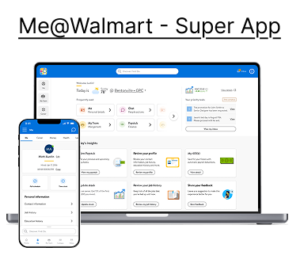
Me@Walmart - Building Corporate Super-App
AI-powered app unifying corporate tools into a single integrated experience
Projects · Prototypes
SmartFM - AI powered Facilities Management Platform
AI-Driven Predictive Maintenance & HVAC Optimization
Projects · Prototypes
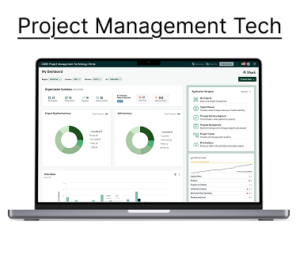
Project Management Technology
One-stop shop for project management
Projects · Mobile
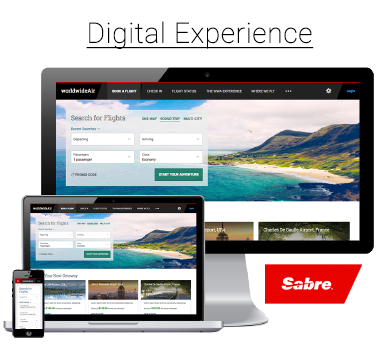
Digital Experience
Airline Tickets — Shop, Book and Manage
Projects · Prototypes
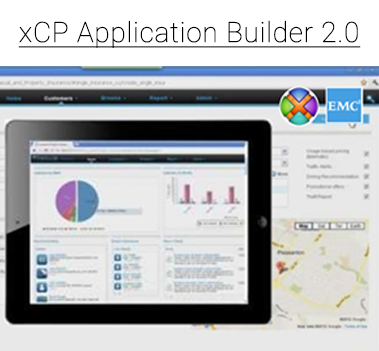
xCP Application Builder 2.0
Case Management Application Builder Tool
Projects · Prototypes
Digital Workspace
Tool for agents to simplify check-in
Strategy
Design Strategy
A Guide to Tactical Thinking in Design
Projects · Strategy
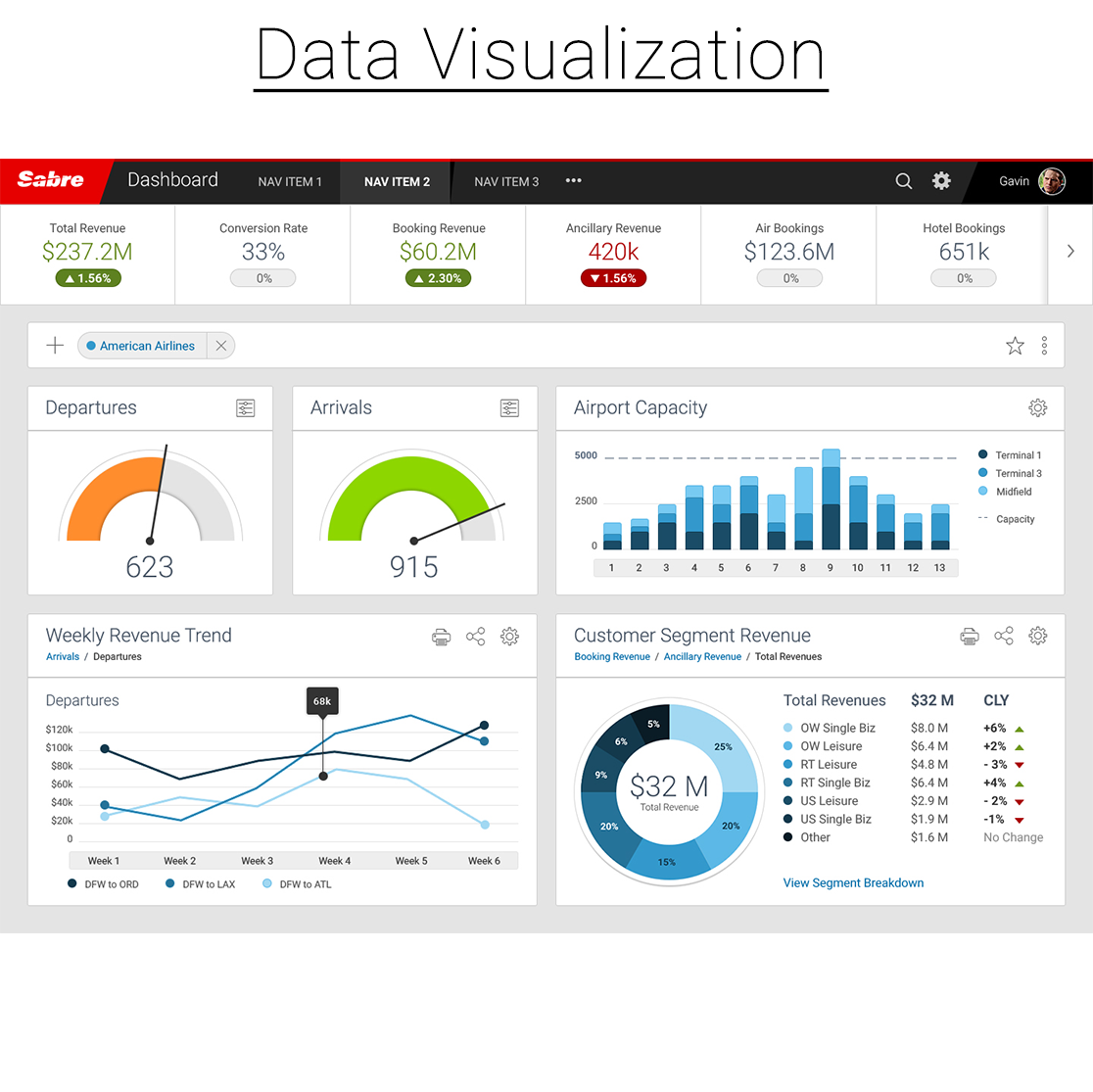
Data Visualization Projects
Enterprise data made scannable & actionable
Principal UX · Team Leadership · Mentorship
Design Leadership
Great design at scale isn't solo work. I build, mentor, and lead the teams and processes that turn vision into products people trust.
My Leadership Philosophy
Good design teams don't just execute —
they clarify thinking, challenge assumptions,
and make everyone around them better.
they clarify thinking, challenge assumptions,
and make everyone around them better.
I've led designers at CBRE, SABRE, EMC Dell, and Avantax —
always with the same belief: the best design leaders create clarity
where there is ambiguity, and confidence where there is hesitation.
My approach is coach-first. I run structured design critiques, pair junior designers with complex problems, and establish the processes — pattern libraries, service blueprints, design systems — that let teams operate at their best long after I've moved on.
I don't just deliver designs. I raise the craft level of every team I join.
My approach is coach-first. I run structured design critiques, pair junior designers with complex problems, and establish the processes — pattern libraries, service blueprints, design systems — that let teams operate at their best long after I've moved on.
I don't just deliver designs. I raise the craft level of every team I join.
How I Lead
Team Building & Mentorship
Recruited, managed, and grown UX teams — coaching designers on process, craft, and stakeholder communication.
UX Process & Governance
Established design patterns, review frameworks, and documentation standards that scale across products and organisations.
Design Workshops & Facilitation
Run Design Thinking sessions, Hackathons, and Design Studio sketching workshops to align cross-functional teams fast.
Cross-Functional Alignment
Bridging design, product, and engineering through shared artefacts, design critiques, and executive stakeholder reviews.
Leadership Timeline
2009 – 2014
EMC Dell · San Francisco
Pattern Designer & Lead Prototyper
Defined core interaction patterns (Drag & Drop, File Select) adopted by a
9-designer team across the entire xCP 2.0 platform. Sole designer on
EMC OnDemand from research through launch.
9-designer pattern system
2014 – 2020
SABRE · Dallas
Senior UX Lead — Team of 4 Designers
Managed and mentored a 4-person design team on a critical agent check-in
platform. Pioneered the Pattern Board, Service Blueprinting practice,
and Alexa/ARKit emerging tech prototypes.
10% reduction in agent handling time
2021 – 2022
Avantax · Remote
UX Design Manager
Managed end-to-end UX design for the Avantax End Client Portal,
leading the team to deliver a platform that saved financial advisors
5–10 hours per week on admin tasks.
5–10 hrs/week saved per advisor
2022 – Present
CBRE · Dallas
Principal UX Designer — Design System Lead
Led UX across multiple simultaneous enterprise products. Contributed to
the CBRE design system, ran design strategy workshops, and mentored
junior designers while owning the end-to-end PJM and SmartFM platforms.
UEM lifted from 53.1 → 71.6
Design Practice
My AI-Native
UX Design Process
I've successfully transitioned into an AI-native UX professional — transforming the traditional design lifecycle into a high-velocity, intelligence-driven workflow. By integrating advanced AI tools across every stage of the process, I've moved beyond delivery-focused design to a model of thought leadership: AI handles the high-volume tasks, freeing me for deeper strategic focus and more meaningful design decisions.
Rapid Prototyping
Figma Make — Beyond Wireframes
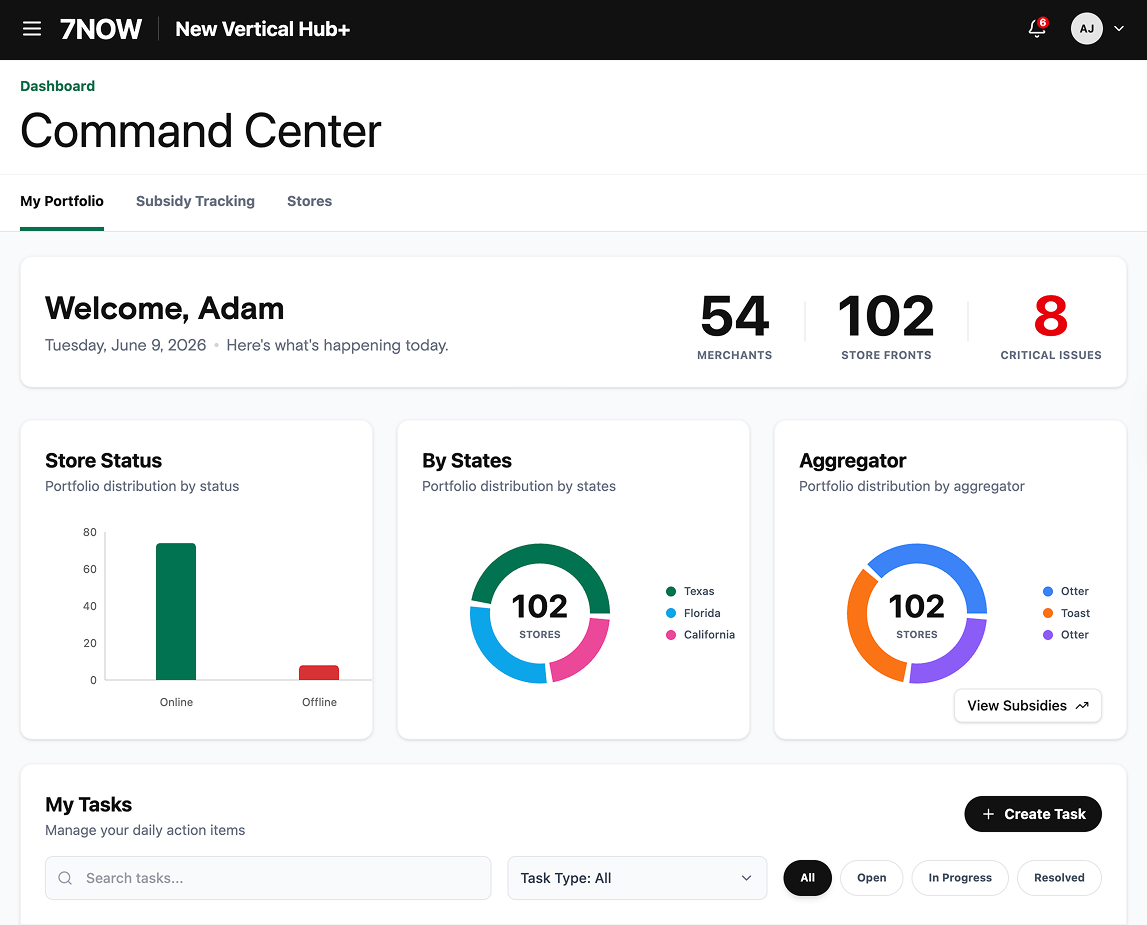
I use Figma Make as my primary tool for advanced rapid prototyping.
In today's fast-paced environment, traditional wireframes are a thing of the past.
Instead, I use AI to generate high-fidelity concepts and interactive
experiences directly within Figma — drastically reducing the time from ideation
to validation.
This means I can present North Star visions and functional prototypes
to stakeholders in days rather than weeks. Through vibe coding in Figma Make,
I prototype and validate AI-driven workflows directly — compressing
design-to-development cycles without sacrificing quality or strategic rigour.
DesignOps · Proprietary System
The AI Prompt Library
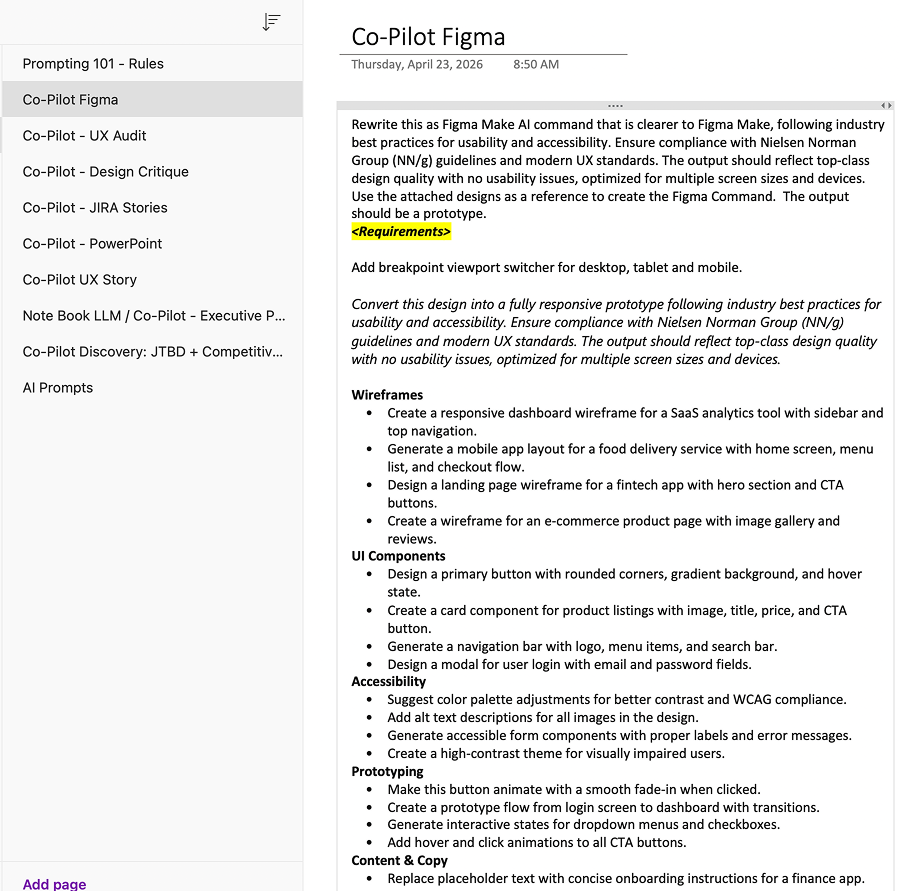
I've developed a proprietary AI Prompt Library that serves as a cornerstone of my DesignOps strategy. This library standardises and automates critical, time-consuming tasks across the product lifecycle — turning what used to take days of manual effort into structured, repeatable processes that any designer on the team can execute consistently.
Figma Make & Co-Pilot
UI Generation & Iteration
Specialised prompts to generate complex layouts and iterate on UI components instantly — from data tables to multi-state interactive flows.
Co-Pilot · UX Audit
UX Audits & Design Critiques
Automated prompts that evaluate designs against established heuristics — ensuring rigorous quality control before any design reaches engineering.
Co-Pilot · Jira & ADO
UX Story & Bug Writing
AI-generated UX JIRA stories for UI bugs and feature requirements — clear, actionable documentation with acceptance criteria, directly linked to Figma designs.
NotebookLM & PowerPoint
Executive Presentation Prep
Custom prompts that synthesise raw research data and stakeholder transcripts into concise notes and PowerPoint frameworks for executive presentations.
Innovation · Shared with Team
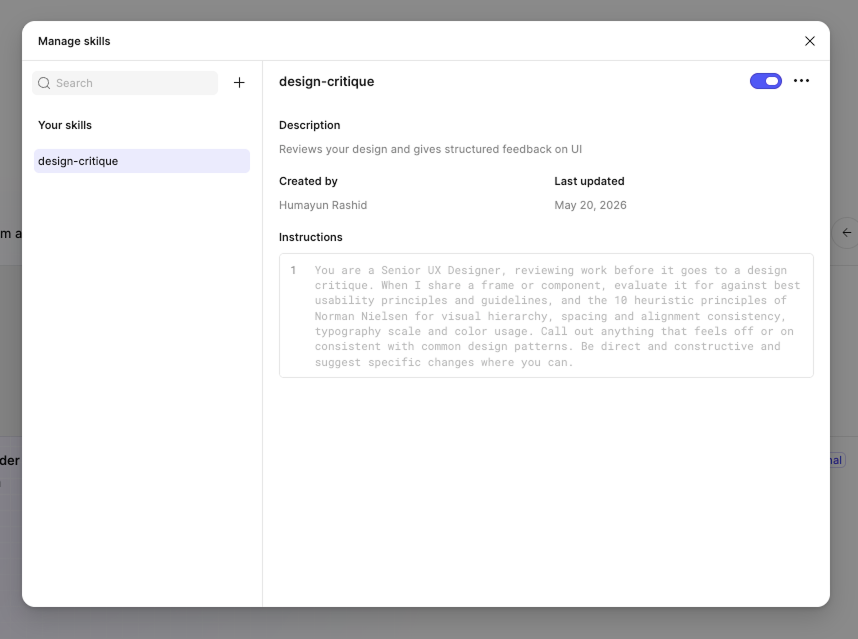
Custom Figma "Peer Review" Skill
To foster consistency and design excellence across my teams, I built a custom
Skill in Figma Make that acts as a virtual peer reviewer —
available on demand, for every designer, on every frame.
The Skill analyses any design against the
Nielsen Norman Group's 10 Usability Heuristics —
identifying gaps, inconsistencies, and usability roadblocks automatically.
Any designer can run a diagnostic command to highlight all issues
in a frame, then a single follow-up command refactors the design
to fix the identified usability gaps automatically.
I developed, documented, and shared this Skill with the design team —
embedding Principal-level critique into the everyday workflow of every designer,
regardless of their experience level.
Visibility of System Status
Match with Real World
User Control & Freedom
Consistency & Standards
Error Prevention
Recognition over Recall
Flexibility & Efficiency
Aesthetic & Minimal Design
Error Recovery
Help & Documentation
# Step 1 — run heuristic audit on selected frame
▶ run peer-review --heuristics=NNG --frame="Checkout Flow"
Analysing against 10 Nielsen Norman heuristics...
Checking visibility of system status ............. pass
Checking consistency & standards ................. pass
Checking error prevention ........................ issues found
Checking recognition over recall ................. issues found
⚠ 3 usability issues identified
[H5] CTA missing confirmation state — user can double-submit
[H6] Form labels disappear on focus — violates recognition over recall
[H9] Error message has no recovery instruction
# Step 2 — fix all identified issues automatically
▶ run fix --all --apply-to-frame
✓ [H5] Added disabled state + loading spinner to CTA
✓ [H6] Converted to persistent floating labels
✓ [H9] Error message updated with recovery path + retry action
✓ 3 / 3 issues resolved — frame ready for design review
Research Synthesis · Discovery Phase
Turning Stakeholder Noise into Actionable Strategy
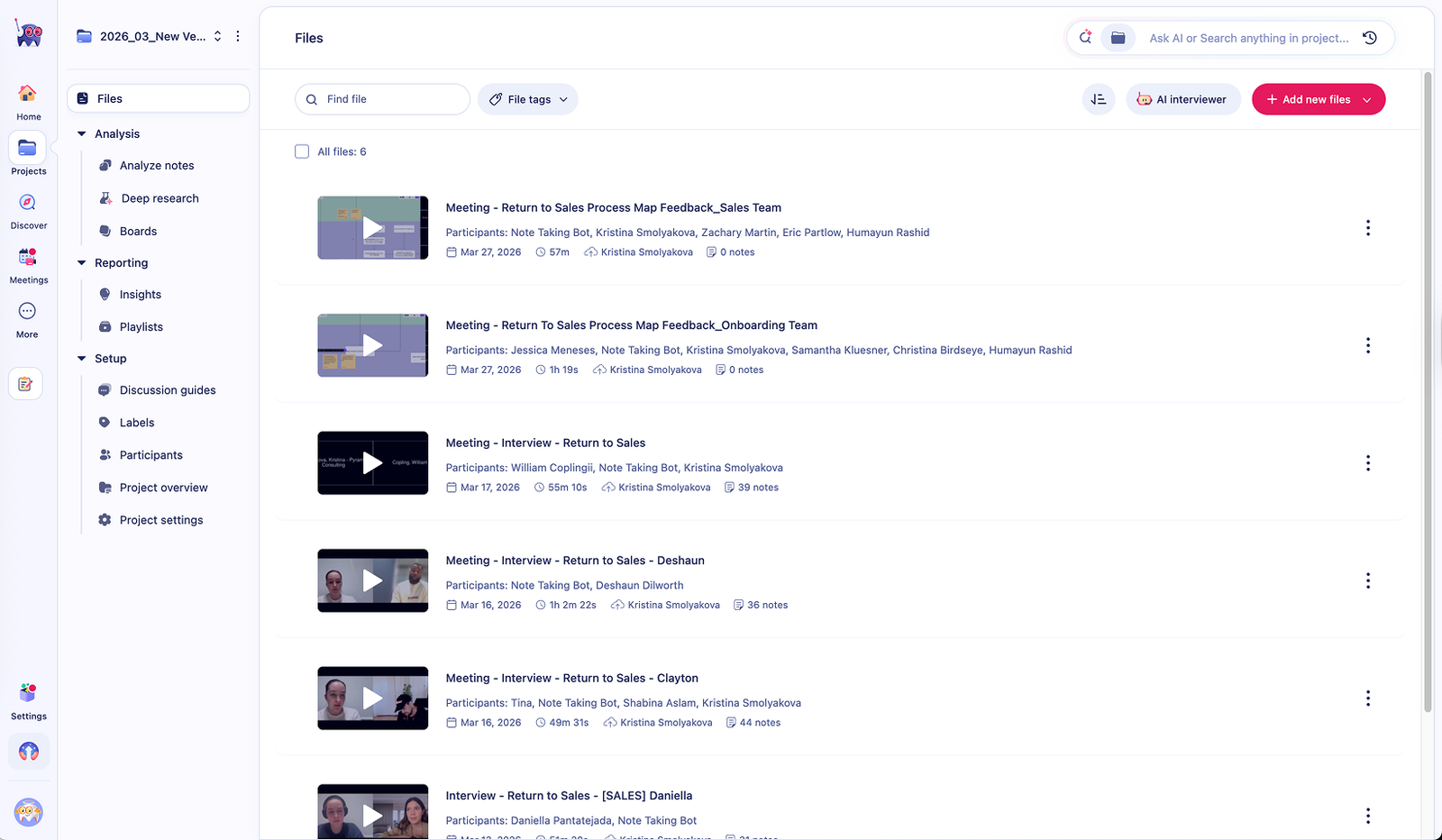
I bridge the gap between discovery and design using a sophisticated AI toolchain that synthesizes high volumes of qualitative data. This process allows me to operate as a one-person research team — rapidly distilling raw stakeholder input into validated design requirements and strategic artifacts, compressing what typically takes weeks into days.
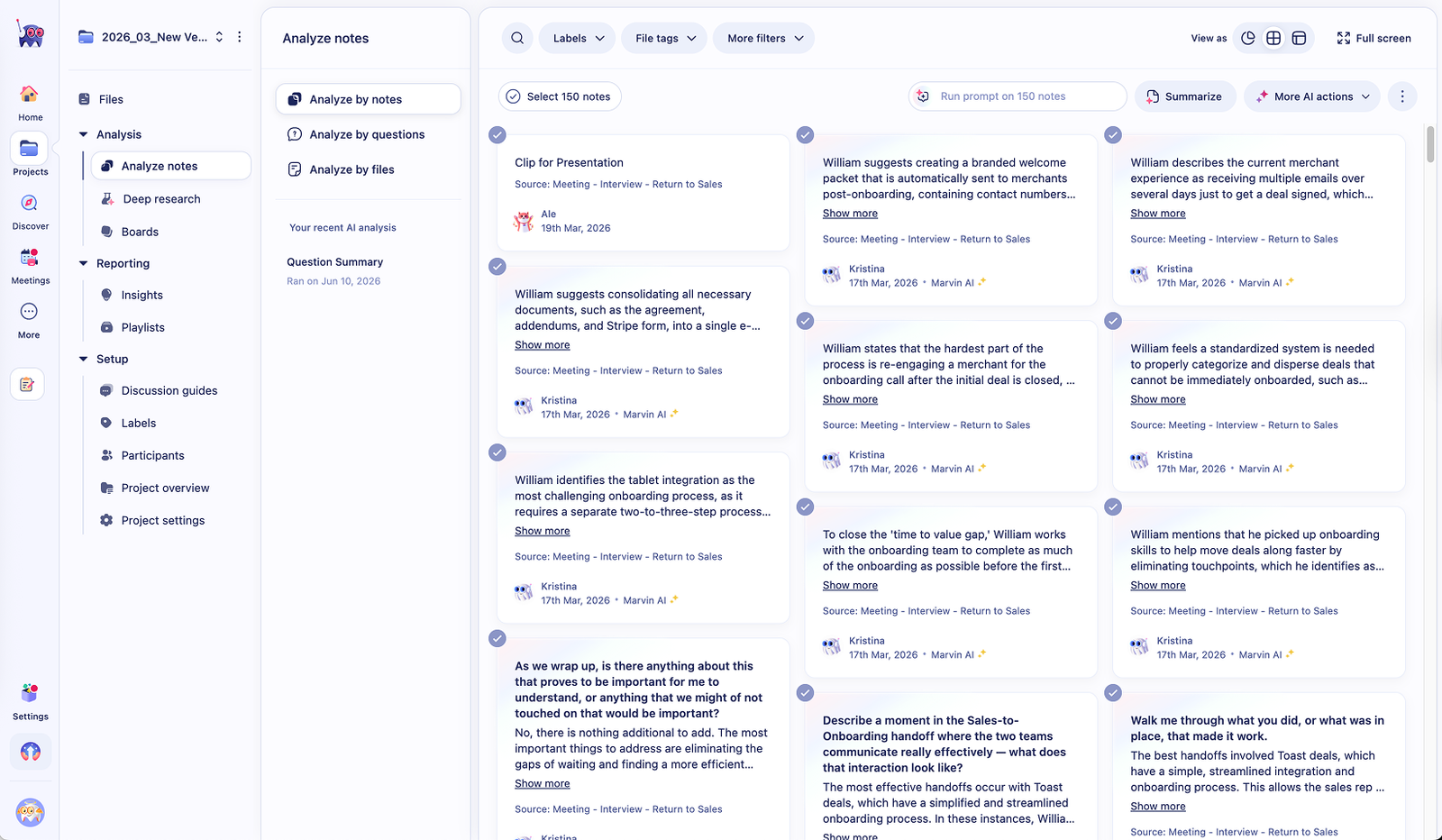
Hey Marvin
User Research

From recordings to personas. Hey Marvin records and transcribes every
stakeholder and user session — capturing the voice of the user with full fidelity.
The AI then auto-generates structured notes, highlights key themes, and surfaces
pain points across multiple interviews simultaneously, enabling me to move directly
into Figma for visual storytelling without waiting weeks for manual research readouts.
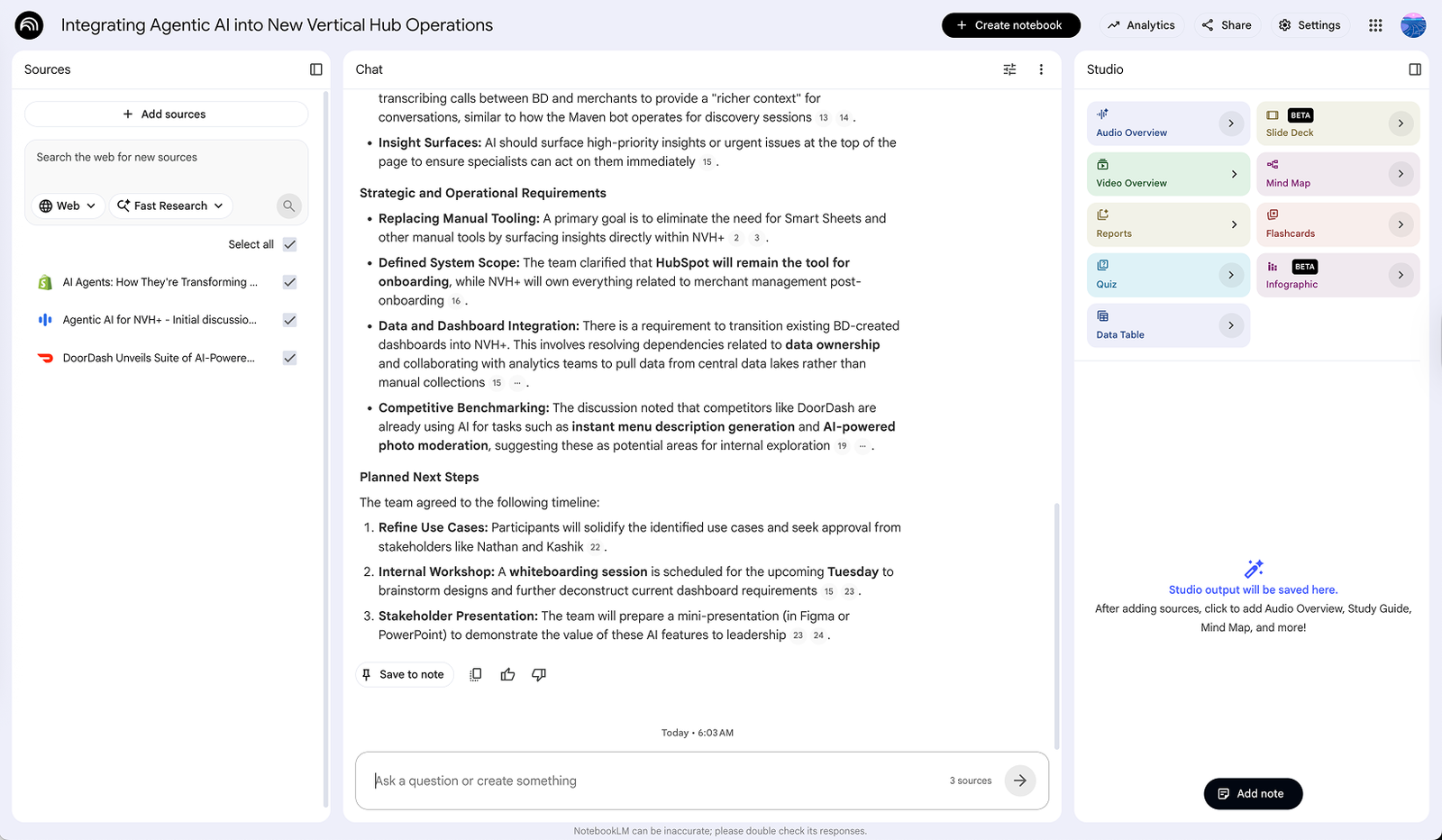
Google NotebookLM
Knowledge Synthesis

20+ sources, one source of truth. For complex domains like CBRE SmartFM
and 7-Eleven's Merchant Portal, I upload technical specs, business requirements, and
meeting transcripts into NotebookLM. Custom prompts distil "North Star" objectives,
extract buried functional requirements, and produce executive-ready presentation
frameworks — ensuring stakeholder alignment from day one.
Hey Marvin · Capture
Voice of the User
Records and transcribes every session — no nuance lost in the noise of a busy discovery phase. AI highlights key quotes and recurring themes.
Hey Marvin · Synthesis
Automated Persona Generation
AI generates detailed user personas — including traits, pain points, and mental models — from recorded transcripts in a fraction of the time of manual synthesis.
NotebookLM · Consolidation
Knowledge Consolidation
Upload 20+ sources simultaneously — technical specs, BRDs, meeting transcripts — to create a unified project intelligence base queryable by prompt.
NotebookLM · Extraction
Requirement Distillation
Custom prompts identify North Star objectives and extract specific functional requirements buried in long-form documents — ready for design sprint input.
"By operationalising these tools across research, prototyping, critique, and delivery,
I've increased project velocity and ensured that every design is grounded in
measurable usability standards before it ever reaches a human reviewer.
AI doesn't replace the designer's judgement — it amplifies it."
